
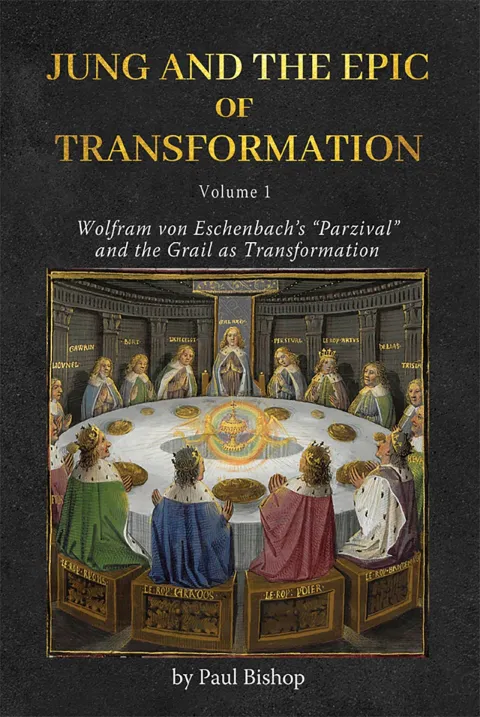
Jung and the Epic of Transformation Vol. 1
Wolfram von Eschenbach’s “Parzival” and the Grail as Transformation
425 pages · Released Jun 1, 2024 · Chiron Publications
Content report card
Jung and the Epic of Transformation Vol. 1 parent’s guide: what’s inside
Violence
Language
Sexual content
LGBTQ+ themes
Scary or mature
Substance use
What it offers
Positive messages
Positive role models
Educational value
A note for parents
This is a scholarly academic work analyzing medieval literature through Jungian psychology, not a book written for or typically read by children or young adults. It is a 425-page analytical text intended for graduate students, psychology scholars, and adults interested in Jung and medieval German literature. Standard content-rating categories do not apply to academic literary criticism.
Analyzed by AI · 1 month ago
Read it with your kids?
Rate it and suggest an age to help other parents.
From the publisher
What have the Middle Ages got to do with us? For Jung, it seems, quite a lot, after all, he tells us: “I must catch up with a piece of the Middle Ages — within myself,” adding: “We have only finished the Middle Ages — of others.” In Wolfram von Eschenbach’s “Parzival” and the Grail as Transformation, Paul Bishop consid... What have the Middle Ages got to do with us? For Jung, it seems, quite a lot, after all, he tells us: “I must catch up with a piece of the Middle Ages — within myself,” adding: “We have only finished the Middle Ages — of others.” In Wolfram von Eschenbach’s “Parzival” and the Grail as Transformation, Paul Bishop considers the significance for Jung of a masterpiece of medieval German literature, and a major work in the tradition of the legendary Holy Grail. Wolfram’s Parzival epic depicts a three-fold quest: for the hero’s identity, for vröude (“joy”), and for the mysterious Grail. In the course of this quest, Parzival himself is transformed from a fool into the lord of the Grail, and the power of the Grail brings about a collective transformation as well. This is the first volume in a series of books, examining key texts in German literature and thought that were, in Jung’s own estimation or by scholarly consent, highly influential on his thinking. The project of Jung and the Epic of Transformation consists of four titles, sequentially arranged to explore great works from a Jungian perspective and in turn to highlight their importance for interpreting The Red Book.
Shelved under
- Psychology
Share this guide
ISBN 9781685032272 · Chiron Publications