
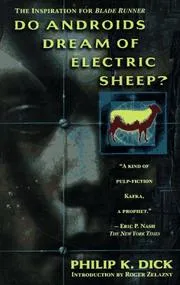
Do Androids Dream of Electric Sheep?
Readers rate it 4.0 (2.4K on Hardcover)
256 pages · Released May 28, 1996 · Del Rey
Content report card
Do Androids Dream of Electric Sheep? parent’s guide: what’s inside
LGBTQ+ themes
What it offers
Educational value
A note for parents
This is a philosophical science-fiction novel exploring what makes us human through a noir-style bounty hunter plot. While it contains some violence and existential dread, it's primarily cerebral rather than graphic. The 1968 original publication and its enduring status as a serious literary work make it appropriate for mature teens interested in science fiction and philosophy, though younger readers may find the pacing slow and the themes emotionally heavy.
Analyzed by AI · 1 month ago
Read it with your kids?
Rate it and suggest an age to help other parents.
From the publisher
It was January 2021, and Rick Deckard had a license to kill. Somewhere among the hordes of humans out there, lurked several rogue androids. Deckard's assignment--find them and then..."retire" them. Trouble was, the androids all looked exactly like humans, and they didn't want to be found! It was January 2021, and Rick Deckard had a license to kill. Somewhere among the hordes of humans out there, lurked several rogue androids. Deckard's assignment--find them and then..."retire" them. Trouble was, the androids all looked exactly like humans, and they didn't want to be found!
Shelved under
- Androids
- Fiction
- Rick Deckard (Fictitious character)
- Science Fiction
- Twenty-first century
- open_syllabus_project
- Bounty hunters
- Fiction, science fiction, general
- Large type books
- Movie-TV Tie-In
- Movies
- Motion Pictures
Books in the Blade Runner series
Full series in order →Share this guide
ISBN 9780345404473 · Del Rey