
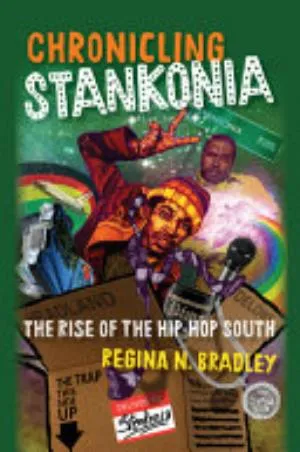
Chronicling Stankonia
The Rise of the Hip-Hop South
136 pages · Released 2021 · University of North Carolina Press
Content report card
Chronicling Stankonia parent’s guide: what’s inside
Violence
Language
Sexual content
LGBTQ+ themes
Scary or mature
Substance use
What it offers
Positive messages
Positive role models
A note for parents
This is an academic text by a university press analyzing hip-hop's role in shaping post-Civil Rights Black southern identity. It engages with complex historical and cultural themes including Jim Crow and Civil Rights trauma at an analytical level appropriate for high school and older readers interested in music history, African American studies, or cultural criticism. The book is not written for children and requires cultural and historical literacy to understand.
Analyzed by AI · 3 weeks ago
Read it with your kids?
Rate it and suggest an age to help other parents.
From the publisher
"Chronicling Stankonia situates hip hop as an intervention in constructing post-Civil Rights black identities and cultural discourse. For southern blacks, the past is often restricted to three recognizable historical moments - the Antebellum Era, Jim Crow, and the Civil Rights Movement. Aside from the deeply traumatic... "Chronicling Stankonia situates hip hop as an intervention in constructing post-Civil Rights black identities and cultural discourse. For southern blacks, the past is often restricted to three recognizable historical moments - the Antebellum Era, Jim Crow, and the Civil Rights Movement. Aside from the deeply traumatic experience of these periods of history, they also serve as cornerstones of validating and recognizing southern blacks' experiences. However, the challenge for post-Civil Rights generations of southern blacks is speaking truth to power when their truths depart the trajectory of what was considered power in the past. Chronicling Stankonia updates the black South using hip hop as an agent to reflect multiple intersections of time, race, and southernness in the late twentieth and early twenty-first centuries. Part of southern hip hop culture's truth remains attached to the past but its power is grounded in the fact that younger southerners use hip hop to embrace the possibility of multiple Souths, multiple narratives, and multiple entry points into contemporary southern black identities"--
Shelved under
- Music
- Music, history and criticism
Share this guide
ISBN 9781469661964 · University of North Carolina Press