
Content report card
Carl Jung parent’s guide: what’s inside
Violence
Language
Sexual content
LGBTQ+ themes
Scary or mature
Substance use
What it offers
Positive messages
Positive role models
Educational value
A note for parents
This is an academic biography of Carl Jung intended for adult readers—students, scholars, and clinicians. The metadata does not contain sufficient information to assess content appropriateness for children or to identify positive messages or role models as presented in the text. The book is a scholarly work focused on Jung's ideas and intellectual history, not a children's or young adult title.
Analyzed by AI · 1 month ago
Read it with your kids?
Rate it and suggest an age to help other parents.
From the publisher
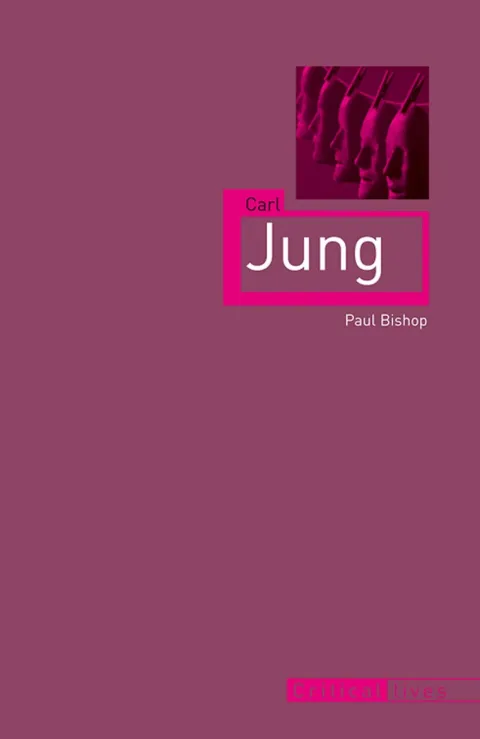
Swiss-born Carl Gustav Jung (1875–1961) was one of the pioneers of psychology, largely responsible for the introduction of now-familiar psychological terms such as “introvert,” “extrovert,” and “collective unconscious.” But in spite of this, Jung has often remained on the fringes of academic discourse. Seeking to under... Swiss-born Carl Gustav Jung (1875–1961) was one of the pioneers of psychology, largely responsible for the introduction of now-familiar psychological terms such as “introvert,” “extrovert,” and “collective unconscious.” But in spite of this, Jung has often remained on the fringes of academic discourse. Seeking to understand Jung in view of not only his life, but also in light of his extensive reading and prolific writing, this new biography reclaims Jung as a major European thinker whose true significance has not been fully appreciated. Paul Bishop follows Jung from his early childhood to his years at the University of Basel and his close relationship—and eventual break—with Sigmund Freud. Exploring Jung’s ideas, Bishop takes up the psychiatrist’s suggestion that “the tragedies of Goethe’s Faust and Nietzsche’s Thus Spoke Zarathustra . . . mark the first glimmerings of a breakthrough of total experience in our Western hemisphere,” engaging with Jung’s scholarship to offer one of the fullest appreciations yet of his distinctive approach to culture. Bishop also considers the role that the Red Book, written between 1914 and 1930 but not published until 2009, played in the progression of Jung’s thought, allowing Bishop to provide a new assessment of this divisive personality. Jung’s attempt to synthesize the different parts of human life, Bishop argues, marks the man as one of the most important theorists of the twentieth century. Providing a compelling examination of the life of this highly influential figure, the concise and accessible Carl Jung will find a place on the shelves of students, scholars, and both clinical and amateur psychologists alike.
Shelved under
- Biography & Autobiography
- Jung, c. g. (carl gustav), 1875-1961
- Psychoanalysts, biography
- Austria, biography
- Jungian psychology
Share this guide
ISBN 9781780233079 · Reaktion Books